Esiste un modo di comunicare che non serve solo a parlare, ma a riconoscersi.
Non si impara sui libri, tantomeno con un corso online.
È il dialetto.
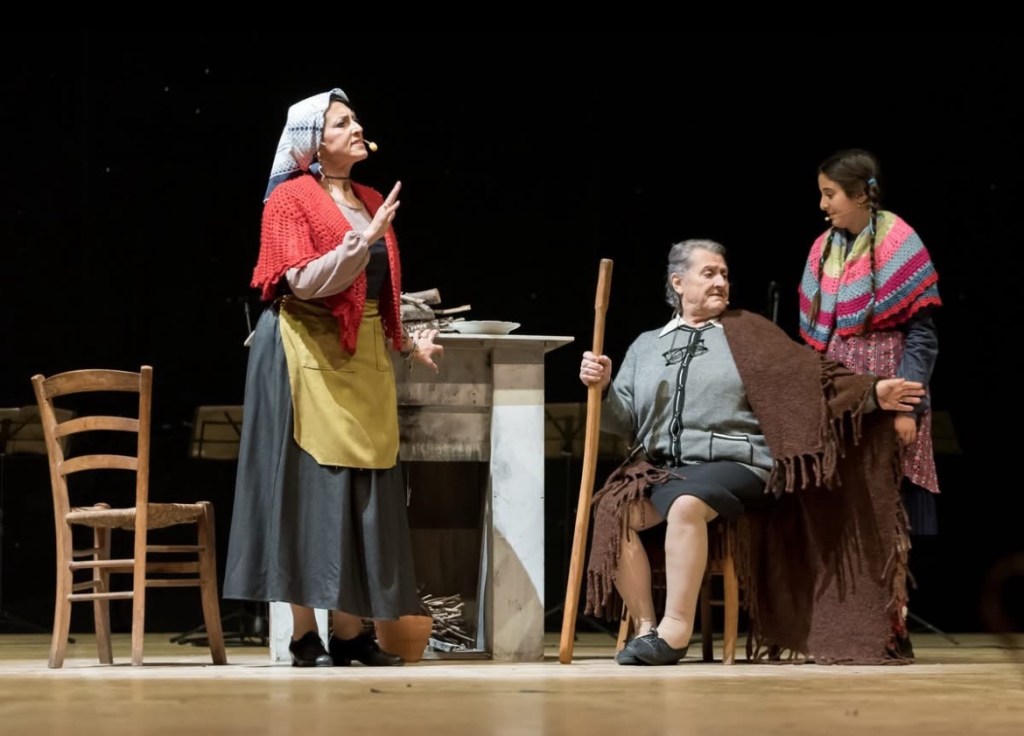
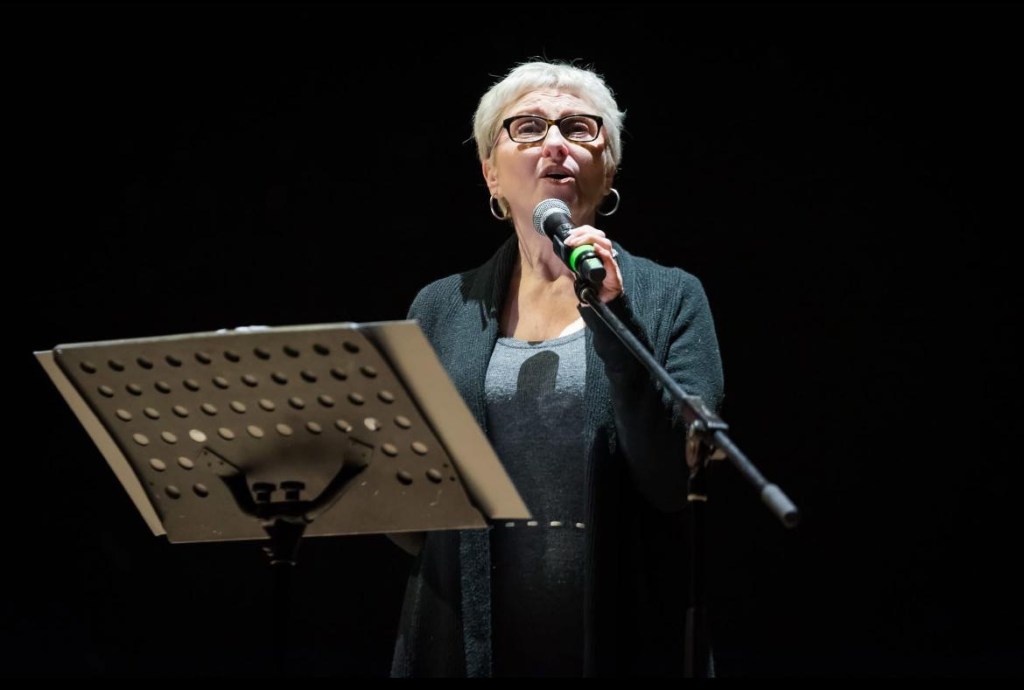
Maria Aurora Lanese, foto di Pino Manocchio)
Ogni territorio ha il suo. E in ogni dialetto c’è molto più di un insieme di parole: ci sono gesti, ironia, lavoro, dolore, feste, stagioni, memoria. Ci sono secoli di vita quotidiana compressi in un modo di dire, in una cadenza, in una vocale allungata, in un’espressione che l’italiano non riesce proprio a tradurre fino in fondo!
Il dialetto ha poche parole, ma ricche di significato.
Tenere vivo un dialetto significa portare con sé ciò che ci ha costruiti.
Il dialetto è una mappa emotiva: racconta come un popolo guarda il tempo, la natura, il corpo, le relazioni. Dice chi eravamo, ma anche chi siamo ancora, sotto le superfici moderne. È una forma di resistenza gentile contro l’omologazione, contro le lingue tutte uguali, contro i luoghi senza voce.
Dunque, alla domanda su come custodire il proprio dialetto .. beh, la risposta è mooolto semplice!
Parlarlo, scriverlo, cantarlo, portarlo a teatro, insegnarlo ai bambini, raccoglierlo dai racconti degli anziani… insomma “praticarlo”!
Semplicemente è cultura viva che appartiene a ognuno di noi.
Non per nostalgia, ma per continuità.
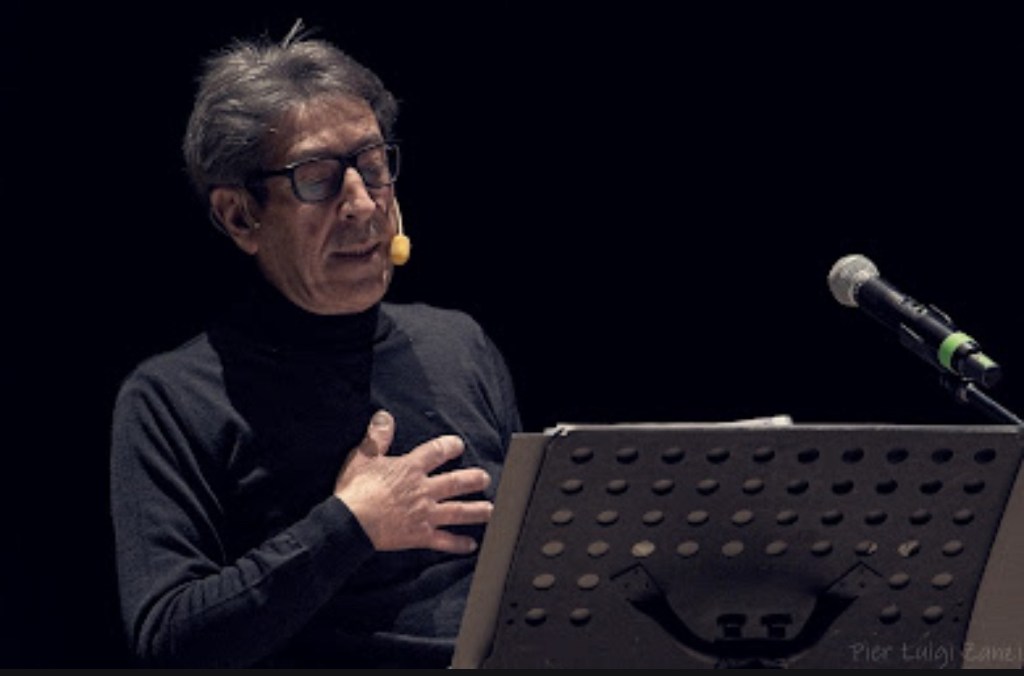
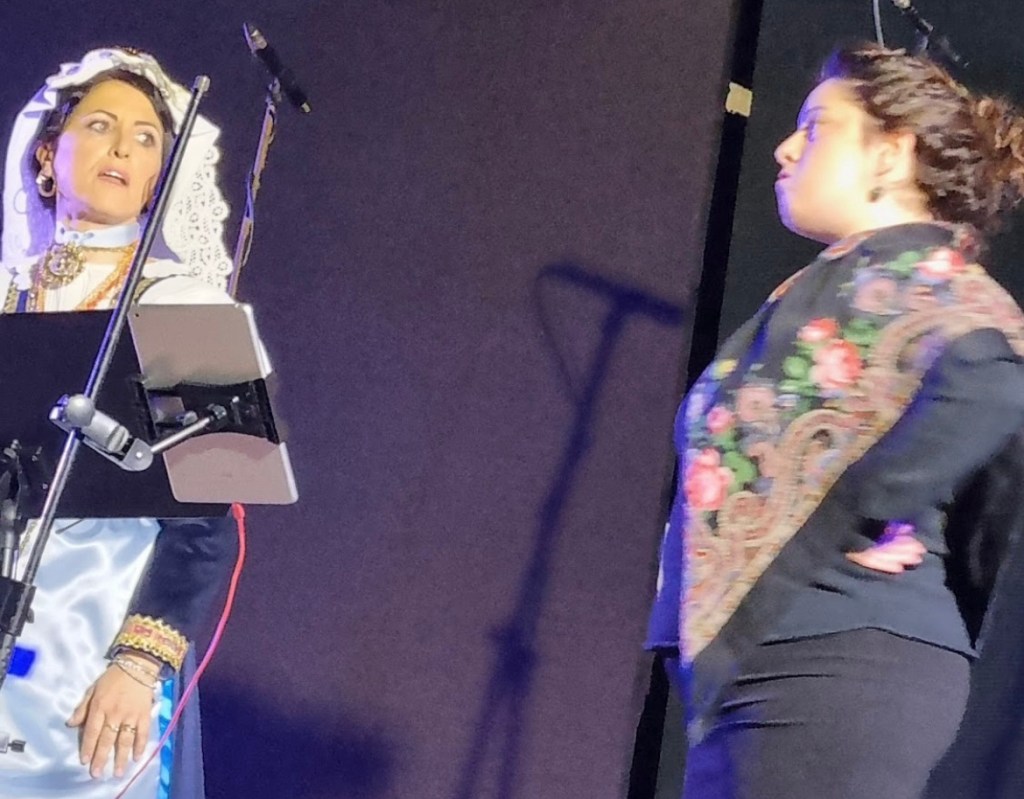
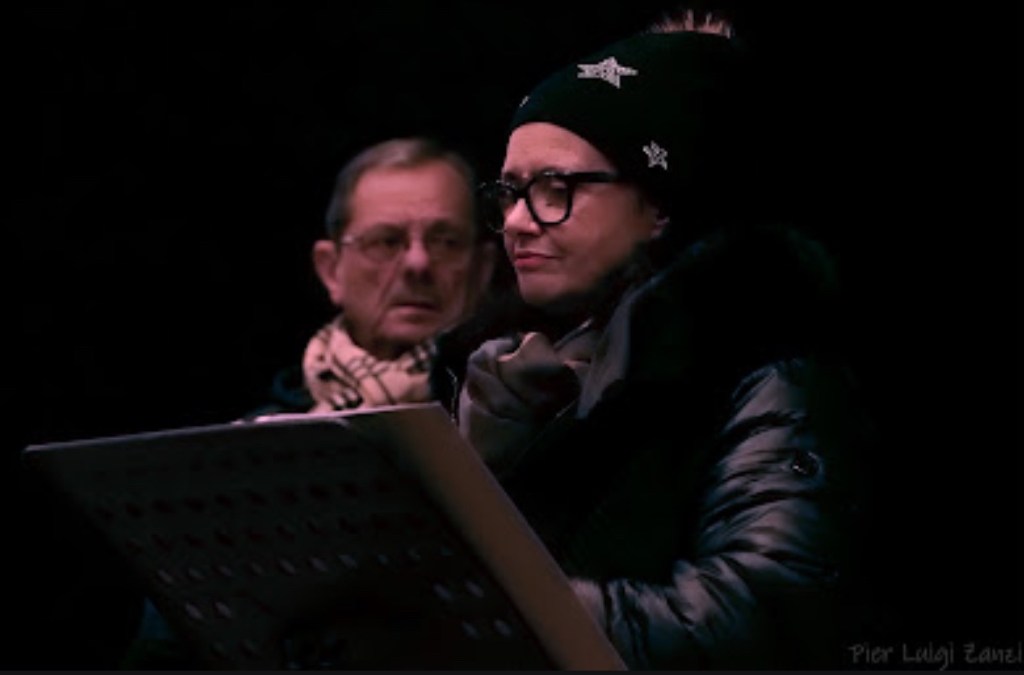
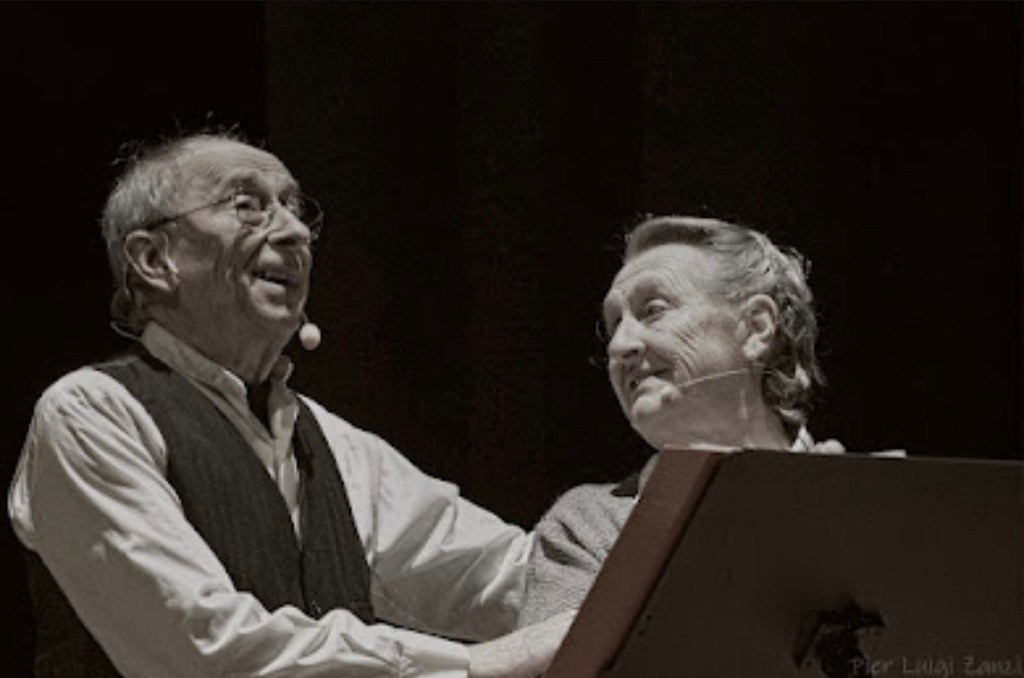
Le foto inserite rappresentano scene rappresentate a teatro recitate in vernacolo isernino da associati e simpatizzanti de L’ARETÈ, associazione teatrale di Isernia ( Molise, Italy ). Attraverso la scena, la voce e la narrazione restituisce dignità culturale al dialetto, trasformandolo in linguaggio artistico e memoria condivisa.
“Il teatro non intrattiene soltanto, tantomeno banalizza, ma conserva, educa e unisce.
Figuriamoci il teatro in vernacolo, davvero uno spettacolo nello spettacolo!”
(Foto in copertina: Pino Manocchio)
Redazione

—- english version—-
How can we cherish our dialect as a treasure?
There is a way of communicating that is not meant only to speak, but to recognize one another.
It is not learned from books or through an online course.
It is dialect.
Every territory has its own. And within every dialect there is far more than a collection of words: there are gestures, irony, work, pain, celebrations, seasons, memory. There are centuries of everyday life compressed into a turn of phrase, into a rhythm, into a drawn-out vowel, into an expression that standard Italian cannot fully translate.
A dialect may have fewer words, but they are rich in meaning.
Keeping a dialect alive means carrying with us what has shaped us.
A dialect is an emotional map: it tells how a people look at time, at nature, at the body, at relationships. It tells who we were, but also who we still are, beneath modern surfaces. It is a gentle form of resistance against uniformity, against languages that all sound the same, against places without a voice.
So, to the question that gives this post its title… well, the answer is very simple.
Speak it, write it, sing it, bring it to the theatre, teach it to children, gather it from the elderly.
Not out of nostalgia, but out of continuity.
In Isernia, this precious task is carried forward by L’ARETÈ, a theatre association that, through performance, voice, and storytelling, restores cultural dignity to the local dialect, transforming it into an artistic language and shared memory. A form of theatre that does not merely entertain, but preserves, educates, and unites.
 GoModa.me