Con il suo ultimo album Furèsta, La Niña – al secolo Carola Moccia – si conferma una delle voci più originali del nuovo panorama musicale italiano. Napoletana, con solide radici nella musica popolare e nel canto in vernacolo, l’artista reinterpreta la tradizione partenopea mescolandola a sonorità elettroniche e barocche, in un progetto che fonde ricerca culturale e istinto poetico.
Brani come Guapparìa e Figlia d’ ’a Tempesta raccontano storie di donne, famiglie, e identità meridionali, dando voce a un Sud che resiste, si reinventa e canta.
Un lavoro che richiama il canto di strada, la tammurriata, ma anche il teatro e la memoria collettiva.
“’A lingua nostra è musica, e pure rivoluzione.” – ha dichiarato l’artista in una recente intervista.
Con Furèsta, La Niña ci porta là dove la musica popolare incontra l’elettronica, dove il vernacolo napoletano diventa strumento di poesia e resistenza.
Ogni brano è ’na cantata viscerale, un grido dolce-amaro delle “figlie d’ ’a tempesta”, donne forti, madri, ribelli.
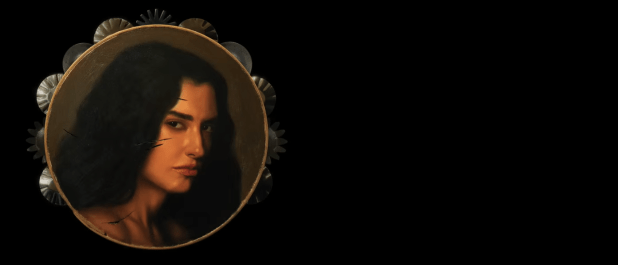
In particolare è interessante la canzone “Chiena ‘e scippe”: un viaggio nella memoria e nelle emozioni, che invita a riflettere sul passare del tempo e sulle esperienze che segnano il percorso di vita di ognuno, con un focus particolare sulla nostalgia dell’infanzia e sulla ricerca delle proprie origini.
Redazione

— English Version—
La Niña, the Contemporary Voice of Tradition
With her latest album Furèsta, La Niña – born Carola Moccia – confirms herself as one of the most original voices in the emerging Italian music scene. A native of Naples, deeply rooted in folk music and vernacular singing, she reinterprets Neapolitan tradition by blending it with electronic and baroque sounds, in a project that merges cultural research with poetic instinct.
Songs like Guapparìa and Figlia d’ ’a Tempesta tell stories of women, families, and Southern identity, giving voice to a South that resists, reinvents itself, and sings.
It’s a work that recalls street singing, tammurriata, but also theatre and collective memory.
“Our language is music—and also revolution.” the artist declared in a recent interview.
With Furèsta, La Niña takes us to where folk music meets electronic music, where the Neapolitan vernacular becomes an instrument of poetry and resistance.
Each song is a visceral cantata, a bittersweet cry from the “daughters of the storm,” strong women, mothers, rebels.
The song “Chiena ‘e scippe” is particularly interesting: a journey through memory and emotion, inviting us to reflect on the passage of time and the experiences that shape our lives, with a particular focus on childhood nostalgia and the search for our roots.
 GoModa.me