Ci sono tradizioni che nonostante abbiano simbologie molto forti, faticano a sopravvivere.
Nella città di Isernia (Molise, Italia) però trova luogo felice la tradizione della “Curaesəma” (pupattola della Quaresima)
Ne viene fatta esposizione la notte di carnevale quando, secondo la leggenda, viene messo al rogo suo marito Carnevale: da quella notte per i 46 giorni a seguire si veste di nero, starà in penitenza e mangerà cibo essenziale.
Una bambola alta circa mezzo metro e piuttosto “scarna”, viene appesa per la punta del cappuccio: vestita di nero e con in mano uno strumento tradizionale per “trasformare” la lana di pecora in filo per tessitura: “ru fusə” (antico strumento realizzato in legno, composto da due parti che si incastrano tra esse) oppure “la conocchia” (strumento anch’esso in legno ricavato da una canna comune).
Così viene rappresentata: questa figura che, se la conosci ne rimani incantato, ma se ci ci imbatti all’improvviso .. beh, può apparire spaventosa .. se non l’hai mai vista prima!
La pupattola, infatti, indossa un copricapo quadrato piegato a triangolo (in vernacolo isernino parliamo del “maccaturə”), ha un lungo abito nero con precisi alimenti penzolanti all’estremità in basso: una manciata di spaghetti, cipolla, aglio, baccalà, aringhe e una bottiglietta di olio.
Il periodo della Quaresima per la religione cristiana è una lunga pausa di introspezione con preghiera e astensione dall’eccesso di cibo … dunque “purificazione”. Ricorda i 40 giorni trascorsi da Gesù Cristo nel deserto.
La pupattola viene messa via il giorno del sabato Santo. La purificazione è avvenuta e, dunque, ci si prepara alla Santa Pasqua, festa più importante della religione cristiana.
Tutto ciò è meglio descritto e spiegato, anche dal punto di vista folclorico, dall’amico Mauro Gioielli in questo articolo 👇🏼

Nella splendida Isernia ci sono ad oggi ancora due pupattole in rappresentanza di un passato ove nei vicoli se ne vedevano di diverse.
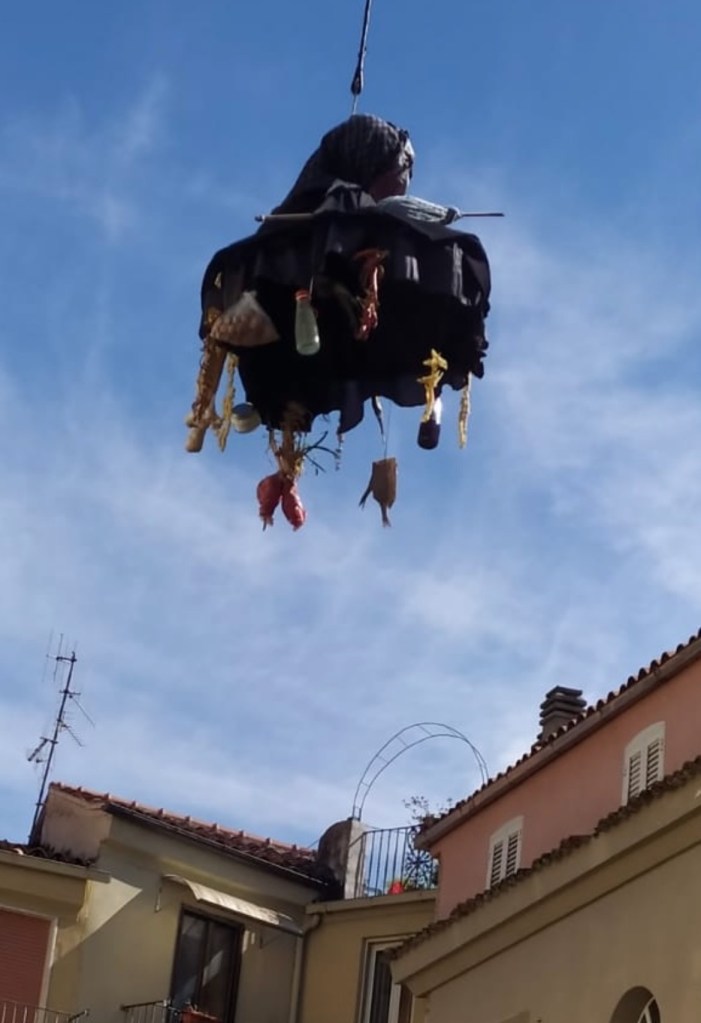

Per dare conferma di quanto la tradizione isernina ha necessità di essere sostenuta, ne abbiamo costruita una secondo scelte semplici: nei giorni precedenti l’inizio della Quaresima, insieme alla mia bambina, abbiamo raccolto del materiale utile e di riciclo. Con tanta volontà e un poco di fantasia abbiamo così assemblato…il tutto!

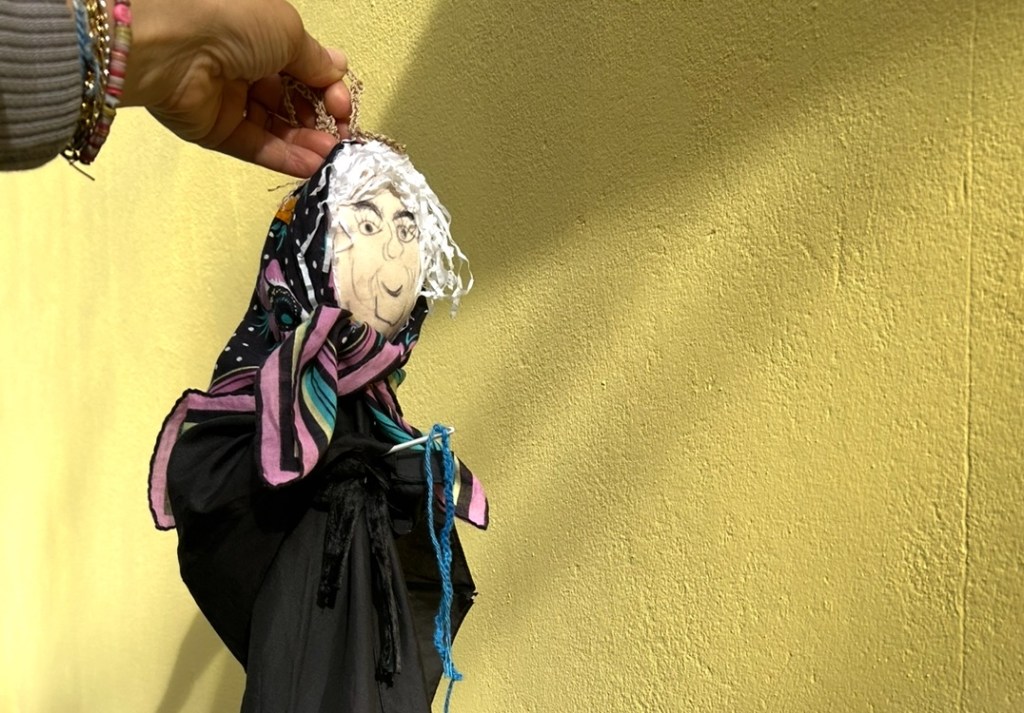
Ovviamente ci siamo sforzate di renderla meno spaventosa possibile …ed eccola!

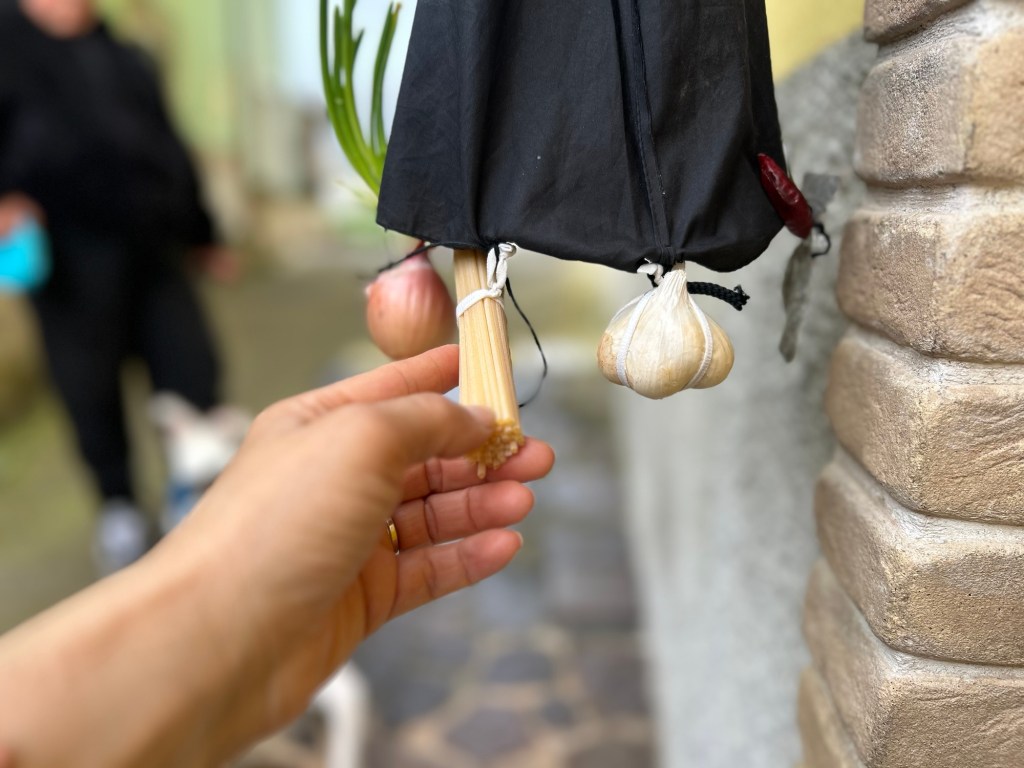
A differenza delle altre due storiche pupattole isernine, abbiamo pensato di “farla lavorare” all’uncinetto: strumento che la mia Nonna, Maria ‘Mbocafruschə, impugnava ogni qualvolta si liberava delle faccende domestiche.
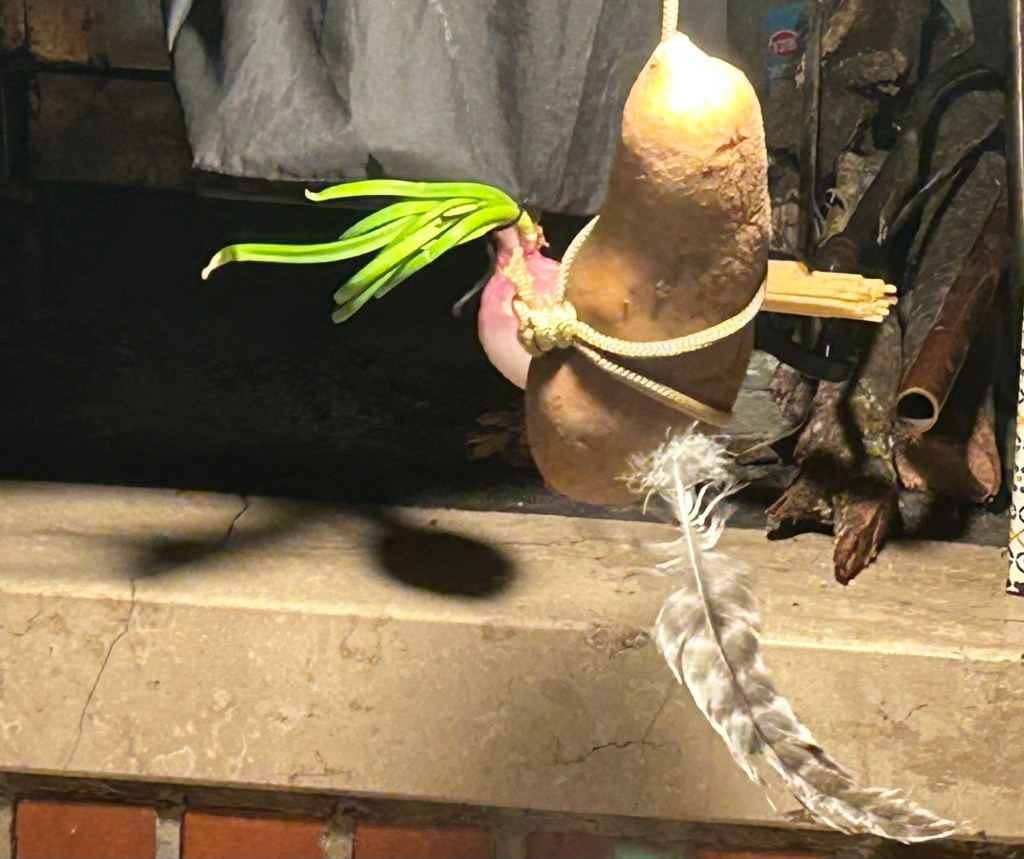
Ultimo particolare è il calendario. In passato per segnare le settimane che mancavano all’arrivo della Santa Pasqua si infilavano piume di tacchino ad una patata: man mano che i giorni passavano venivano tolte. Si aveva sempre sotto controllo il conto alla rovescia per la fine del periodo di astensione dall’eccesso di cibo.
Dunque, anche la nostra pupattola con il suo uncinetto ci dà esempio di trasformazione: un semplice filo (di lana o di cotone) prende una precisa forma che è stata pensata e meditata. Quella trasformazione che avviene in ognuno di noi durante il periodo della Quaresima!

————-🇬🇧—The Lent Doll of Isernia
Some traditions, despite carrying deep and powerful symbolism, struggle to endure the passing of time. Yet in Isernia, a small city in the Molise region of Italy, the ancient custom of “the Curaesəma” (the Lent Doll) continues to find a cherished place in the local fabric of life.
The Curaesəma makes her first appearance on Carnival night, the very moment when, according to local legend, her husband—Carnival himself—is burned in effigy. From that night forward, for the forty-eight days of Lent, she takes on mourning. Dressed in black, she embraces a period of penance, surviving only on humble, essential foods.
This traditional figure is a handcrafted doll, about half a meter tall and deliberately spare in appearance. She is suspended by the tip of her hood, clothed in black, and typically holds a tool once used to spin sheep’s wool into thread: either “ru fusə”, a wooden spindle composed of two interlocking pieces, or “la conocchia”, a distaff made from a common cane stalk.
She is striking to behold—fascinating for those familiar with her symbolism, perhaps unsettling to the unprepared passerby. Her triangular headscarf (known in the Isernian dialect as “maccaturə”) frames a stoic face, while a cluster of symbolic food items hangs from the hem of her dress: a handful of spaghetti, an onion, garlic, dried cod, herrings, and a small bottle of oil. Each item speaks to the frugality and restraint associated with the Lenten season.
In Christian tradition, Lent is a time of reflection, self-discipline, and spiritual preparation—forty days echoing Christ’s journey through the desert. The Curaesəma embodies this spirit of purification, a reminder of values too often blurred in today’s frenetic world.
On Holy Saturday, the doll is taken down. Her penance complete, she makes way for the joy and renewal of Easter—the most sacred celebration in the Christian calendar. The deeper meaning and folkloric layers of this tradition have been lovingly documented by scholar Mauro Gioielli, whose work helps preserve its cultural significance.
Today, only two traditional Curaesəma dolls remain on display in Isernia, quiet sentinels of a time when these figures would line the streets and courtyards during Lent. Their dwindling presence reminds us that such heritage requires care, curiosity, and continuity.
In this spirit, we chose to make one ourselves. In the days before Lent, my daughter and I collected recyclable and simple materials—assembling our own doll with a mix of creativity, affection, and intention. We aimed to soften her appearance, making her more approachable for young eyes discovering this tradition for the first time.
Unlike her historic counterparts, our Curaesəma holds a crochet hook—an homage to my grandmother, Maria ‘Mbocafruschə, who crocheted every spare moment she could steal from her daily chores. This small gesture connects past to present, weaving threads across generations.
We also included one final traditional element: the Lent calendar. In years past, locals would insert seven turkey feathers into a potato, removing one each week to count down the Sundays until Easter. It was a simple yet powerful ritual that kept time with both the body and the soul.
And so, our doll stands—not just as a figure of tradition, but as a symbol of transformation. Just as her crochet hook patiently turns a single strand of wool or cotton into something considered and formed, so too does Lent shape the spirit of those who observe it.
————-
 GoModa.me